Hong Kong Opens Secondary Trading of Tokenized Funds: What It Means for Private Markets
Within a week, Hong Kong began round-the-clock secondary trading of tokenized money market funds and moved EnsembleTX to 24/7 settlement in tokenized central bank money. Drawing on what the HKMA, the SFC and the Financial Secretary said at Hong Kong FinTech Week 2026, this piece looks at how the market got here, why it started with EnsembleTX, and what it means for secondary trading in private markets, where EVIDENT has offered secondary trading since 2022.
Devanshee Kothari
Growth and Research Manager
Published
November 9, 2026
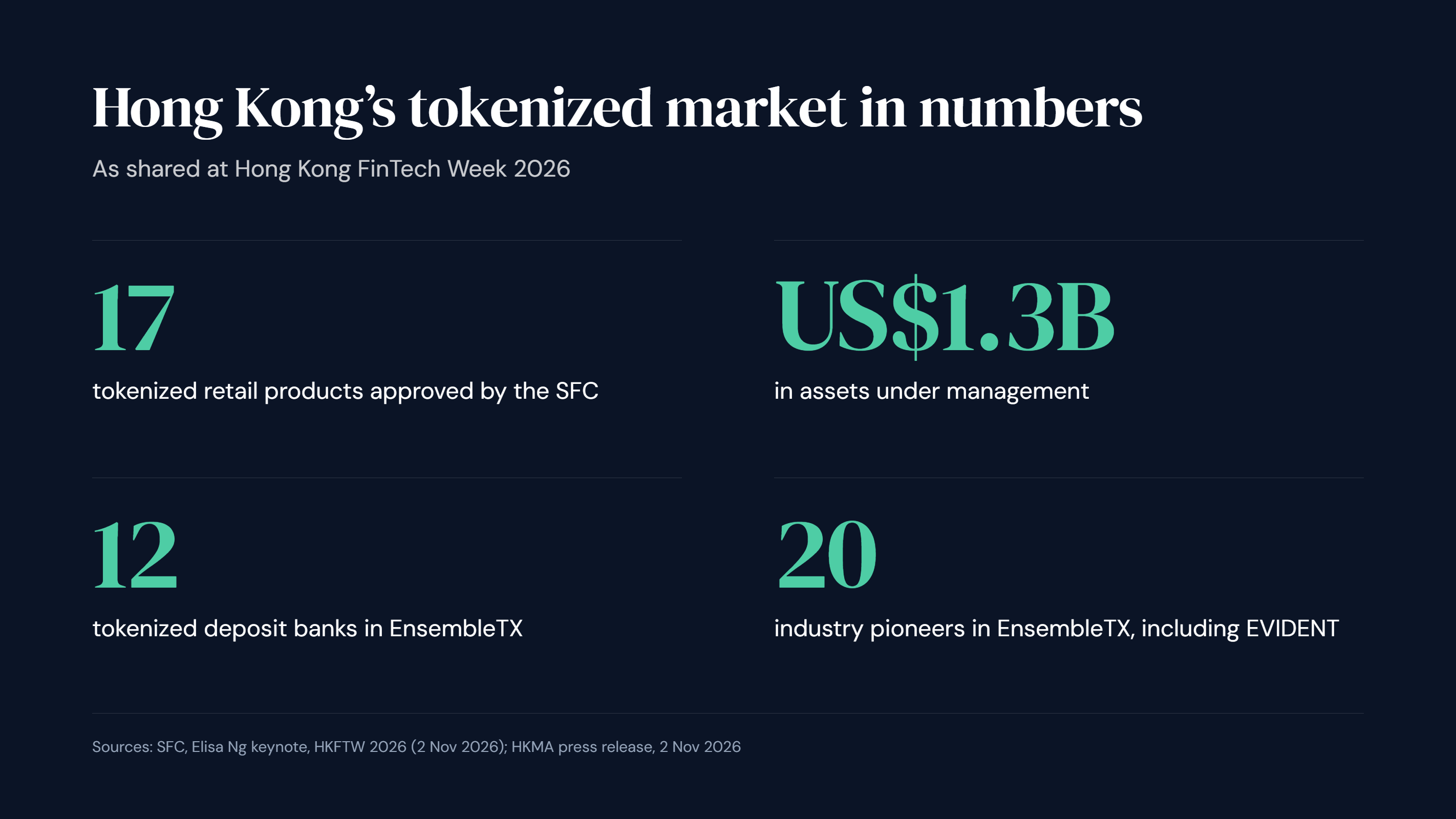
At Hong Kong FinTech Week 2026, the SFC’s Elisa Ng gave her keynote a title that captures where the city now stands: “From Tracks to Traffic.” Hong Kong now has 17 approved tokenized retail products with US$1.3 billion in assets under management, and the next stage, in her words, is generating “traffic” on the digital rails the city has built.
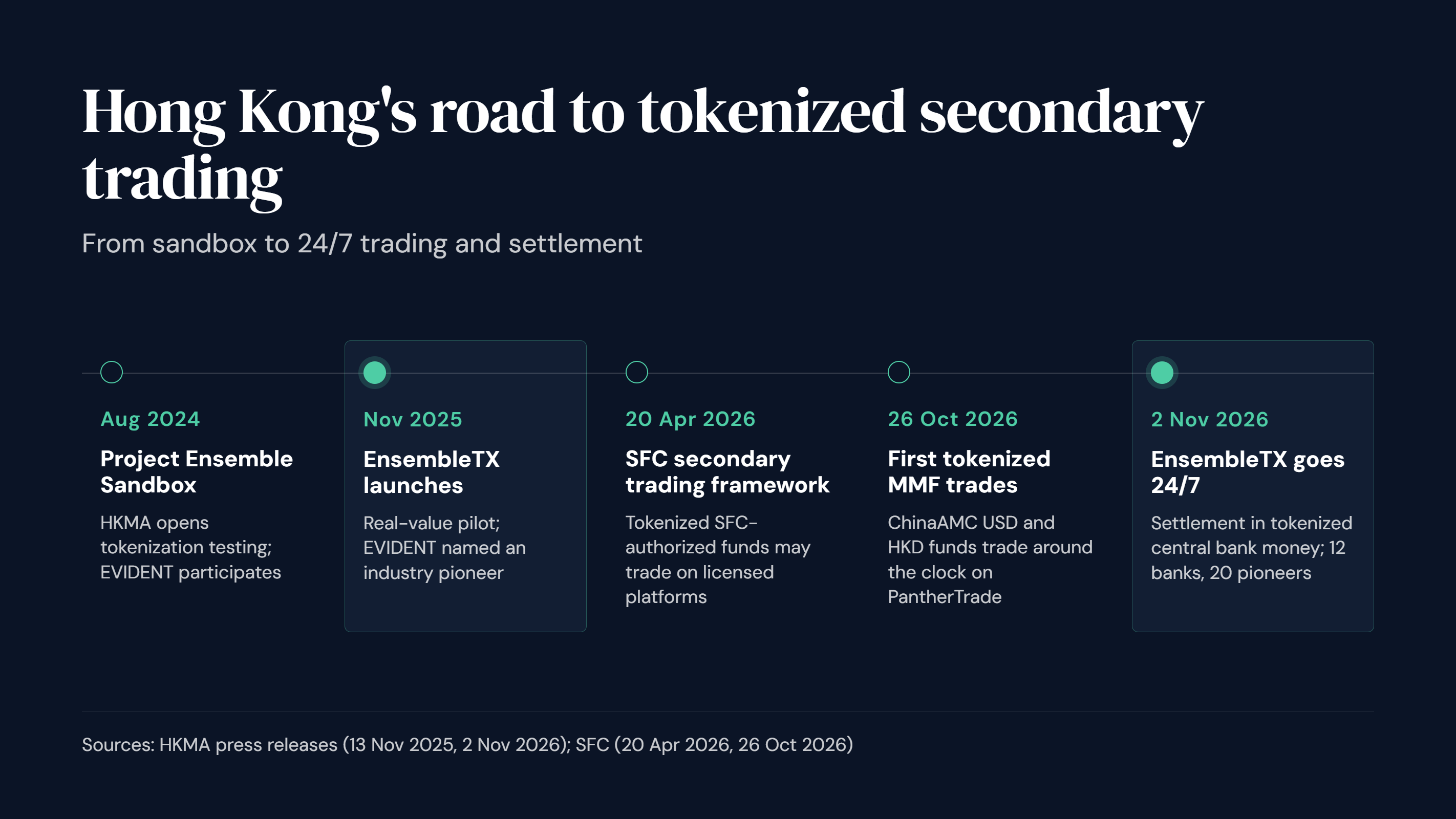
That traffic now includes secondary trading. On 26 October, two SFC-authorized tokenized money market funds began trading around the clock on a licensed platform. A week later, on 2 November, the HKMA moved EnsembleTX to interbank settlement of tokenized deposit transactions in tokenized central bank money, on a 24/7 basis.
In his FinTech Week keynote, Financial Secretary Paul Chan set out the question that now matters: “Once assets are tokenised, how do we build scale and liquidity?”
For EVIDENT, that is a familiar question. Secondary liquidity for tokenized assets is what we have been building in private markets since 2022.
Where it started: EnsembleTX
At FinTech Week 2025, as the HKMA prepared to launch EnsembleTX, Chief Executive Eddie Yue said it would begin incubating real-value use cases where tokenized deposits offer clear advantages, starting with tokenized money market funds. When the pilot launched that November, its first use cases were tokenized deposits for corporate treasury management and for tokenized money market fund transactions.
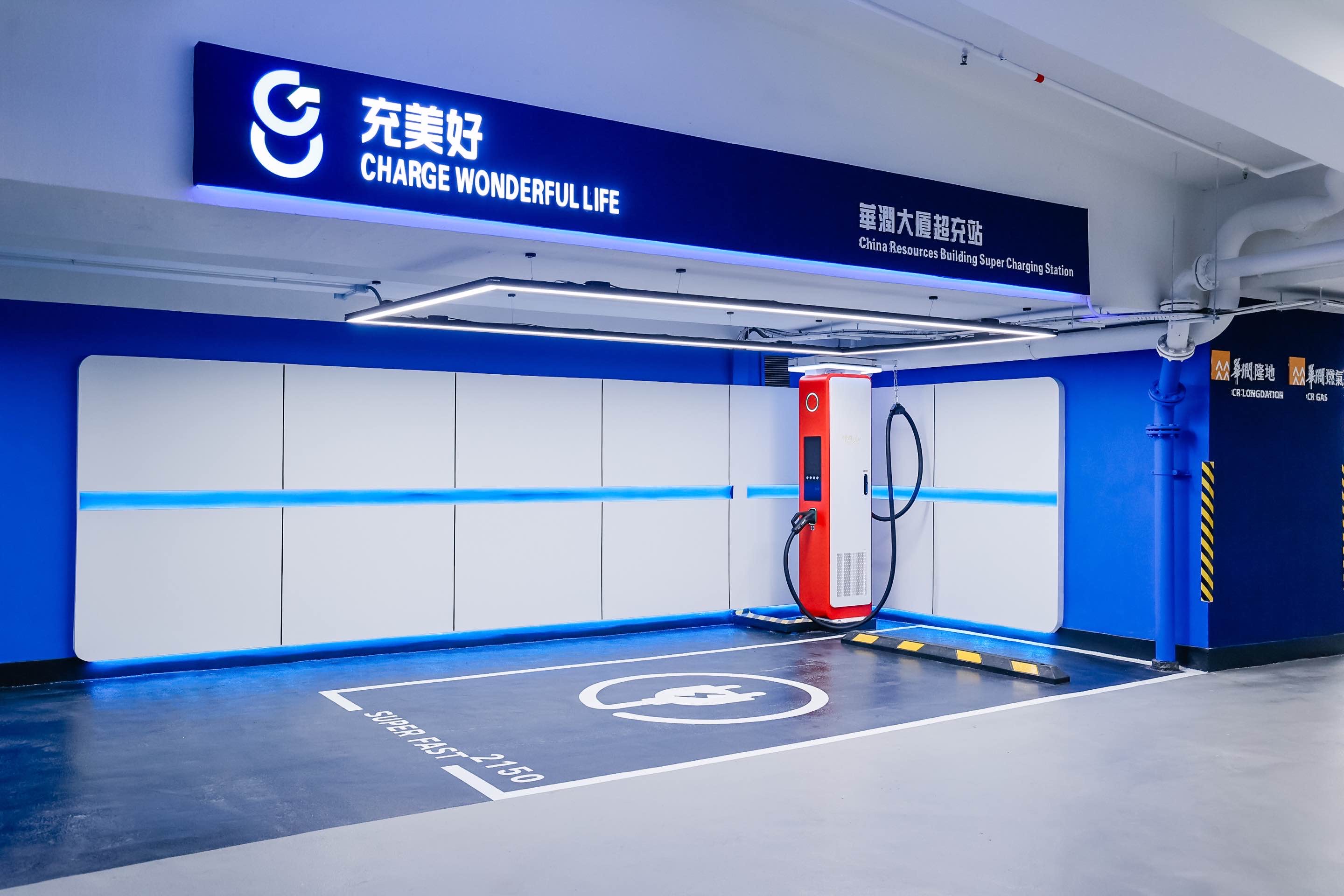
EVIDENT was named an industry pioneer in that first group, alongside BlackRock, Franklin Templeton, Hong Kong Exchanges and Clearing, China Asset Management (Hong Kong), Ant International and others. We had already taken part in the Project Ensemble Sandbox, where our partnership with China Resources Longdation began. That partnership later led to the tokenization of revenue from its EV charging network.
A year later, both firms behind the first secondary trades of tokenized public funds are EnsembleTX participants. The two funds were ChinaAMC’s USD and HKD Digital Money Market Funds, trading on PantherTrade. ChinaAMC joined EnsembleTX as an industry pioneer in 2025; PantherTrade joined in 2026. The SFC has said tokenized public funds could build further on the tokenized deposit capabilities developed with the HKMA under Project Ensemble, supporting more efficient settlement and asset mobility.
As Eddie Yue put it on 2 November: “In just two years, Project Ensemble has transitioned from experimentation and piloting to a new phase focused on promoting the commercialisation of tokenisation applications in Hong Kong.”
What the regulators said
The SFC built secondary trading on rules it already had. The April 2026 framework drew on the SFC’s existing regime for exchange-traded funds and licensed trading platforms, with requirements covering the trading channel, fair pricing, liquidity provision and disclosure. SFC CEO Julia Leung said it allows a traditional securities product, once tokenized, to trade in the evening and on weekends. At FinTech Week, she noted that Hong Kong had become “the world’s first to allow the secondary trading of tokenised money market funds (MMFs) on licensed VATP platforms, making them available round the clock.”
The money leg now runs 24/7. A fund that can trade at midnight but settles on Monday is not a 24/7 market. Julia Leung connected the two directly: “Tokenised deposits can now power around-the-clock transactions, including corporate treasury management and secondary trading of tokenised funds on licensed platforms, galvanising market liquidity and supporting investors’ risk management.” Elisa Ng made the same point from the investor’s side: with digital money, the proceeds of a secondary trade can be put back to work across the digital asset ecosystem immediately.
Money market funds are only the first product. Elisa Ng named secondary trading and treasury management as the two near-term use cases, said tokenized gold ETFs may be the next pilot, and announced an “innovation pathway” under which the SFC will consider regulatory flexibility for controlled pilots of new product features.
Regulators are candid about the work ahead. Paul Chan acknowledged that liquidity in secondary trading of tokenized assets is still being built. Julia Leung set the bar for success: the real milestone is when “investors and institutions choose tokenised products because they work better and give investors better outcome, not simply because they are tokenised.”
The same conversation across the week
Tokenization and liquidity ran through the programme. Eddie Yue joined HSBC Group CEO Georges Elhedery, Banque de France First Deputy Governor Denis Beau and BIS Innovation Hub head Tommaso Mancini-Griffoli on AI, tokenization and quantum in global finance. The HKMA hosted a dedicated Project Ensemble panel with BlackRock, ChinaAMC, Ant International, HSBC and Standard Chartered on their progress toward commercialization. Franklin Templeton’s Jenny Johnson spoke on AI, tokenization and private markets, and Partners Group joined a session on how tokenization is starting to open assets long kept behind high minimums and limited liquidity.
Three days later, the same regulators were in front of the wealth management industry. At the PWMA Wealth Management Summit on 5 November, SFC Chairman Dr Kelvin Wong delivered the regulatory keynote and Eddie Yue joined the Regulatory Fireside Chat, with an audience expected to exceed 1,000 senior executives, regulators and family office leaders. As tokenization reaches the private banks and wealth managers who allocate to private markets on behalf of their clients, it becomes less a fintech topic and more a portfolio topic.
Private markets: where we have been doing secondaries all along
Money market funds are where Hong Kong’s tokenized secondaries began. In private markets, secondaries are not new. Many of the most valuable companies now stay private for a decade or more, and the secondary market has become a primary route for capital to exit private markets. According to Lazard, secondary transaction volume reached US$233 billion in 2025, up 53% on the year.
That is where EVIDENT has worked from the start.
2022: secondary trading in a tokenized vessel. Together with GreenSeas, we tokenized the FUJI LNG carrier. The structure included secondary market functionality: peer-to-peer trading with immediate settlement finality. The investment ran from May 2022 to March 2024 and closed with a completed asset sale, the full lifecycle from structuring through secondary trading to exit.
2023: extending the model to carbon. We set out a model for tokenized China Certified Emission Reduction credits, including secondary trading and on-chain retirement certificates.
December 2023: SFC licensed. Evident Platform Services Limited became licensed for Type 1 regulated activity (dealing in securities), operating as a broker-dealer for both primary and secondary markets.
2024 to 2025: Project Ensemble. From the Ensemble Sandbox to industry pioneer in EnsembleTX.
Today: a digital OTC secondary market with standing liquidity. Investors find counterparties across our network with real-time deal and price discovery, clearing and settlement. Where independent demand has not yet formed, EVIDENT steps in with standing liquidity. Our AI layer is available to clients through MCP connections.
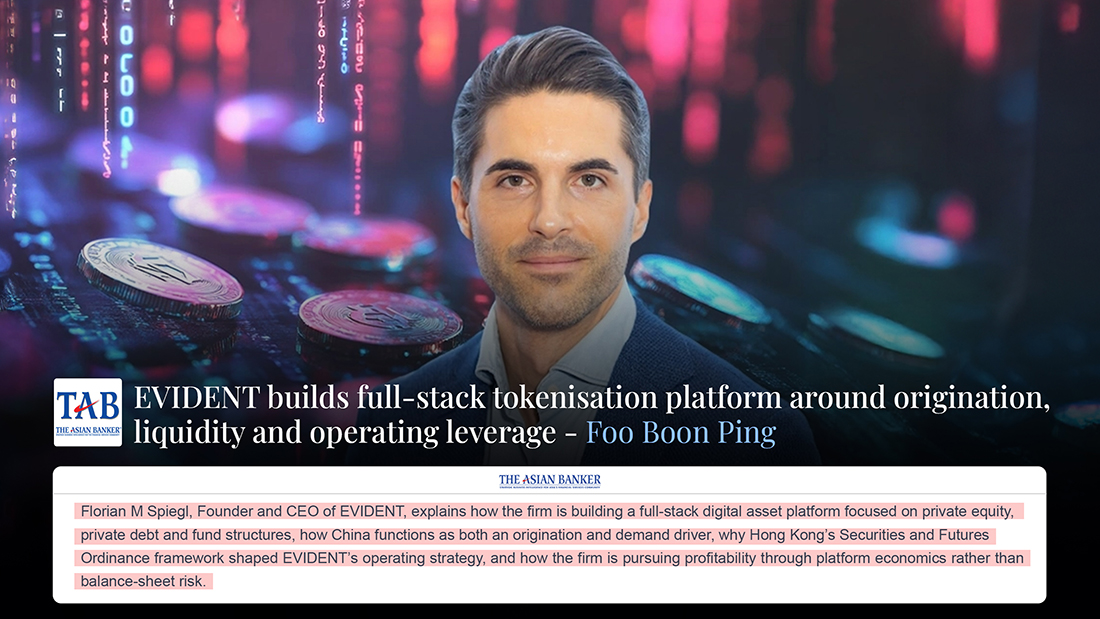
Our approach rests on a principle our Founder and CEO Florian Spiegl has set out publicly: tokenization should solve structural problems in private markets, not copy public-market trading models onto a blockchain. Private market secondaries work differently from a fund order book. They involve professional investors, permissioned transfers and prices set through a competitive process. What they need from infrastructure is the same: a clear rulebook, licensed venues and settlement that does not wait for banking hours.
That is the foundation Hong Kong has now put in place for money market funds through EnsembleTX. It is why we joined Project Ensemble at the sandbox stage, why we have been part of EnsembleTX since its launch, and why we see it as the point where public fund secondaries and private market secondaries meet.
What comes next
The SFC will monitor trading activity and consider broadening the product scope over time. The HKMA expects “that the commercialisation of tokenised deposits and digital assets will gain momentum.”
The tracks are built, and the traffic has started. In private markets, it is work we have been doing since 2022.